What this site is for
Fiddle Warrior covers three instruments — violin, viola and cello — and every page on it assumes the same three things: an unmarked fingerboard, four strings a fifth apart, and a bow in the other hand. That is why the diagrams here name a finger and a position rather than a shape, and why the tuning sentence on every page starts from open strings you are expected to check by ear.
The limit worth stating first is the audio. Every instrument in this slice plays back plucked, because the network ships no bowed sound engine and this site will not pretend otherwise. Use the playback to confirm a pitch; use your own arm for the stroke.
The second limit is the one this page is for. Precision about bowed strings is bought by knowing nothing much about anything else, so here is where the rest of the questions go.
Where to go instead
 String WarriorNothing here ever puts a bowed neck beside a plucked one; there the same chord tones appear on twenty-odd instruments at once, which is the only way to see what first position is really asking for.
 Theory WarriorWhy a tune sits where it does in a key, argued away from any instrument at all; useful here precisely because an unmarked fingerboard tells you nothing about names.
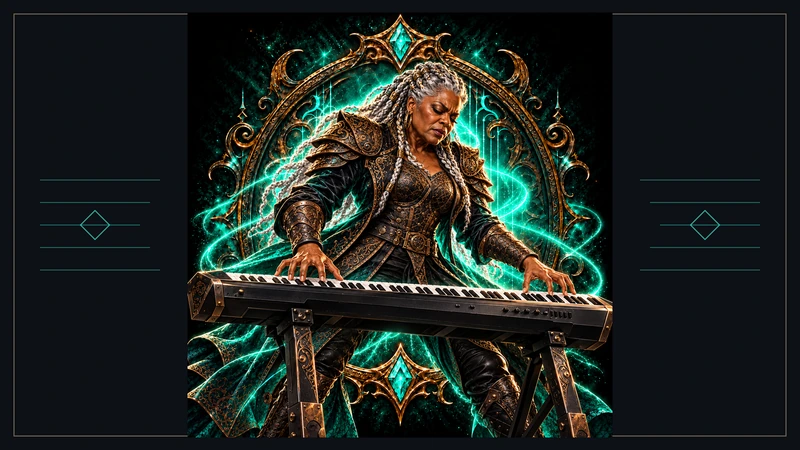 Keys WarriorYou choose every pitch with your finger; on a keyboard someone else chose all of them before you sat down. That site is where the consequences of that trade get worked through, seven instruments at a time.
 Ukulele WarriorFour short strings under the right hand, and the most readable place to work out the chords somebody will put behind the tune you are bowing.
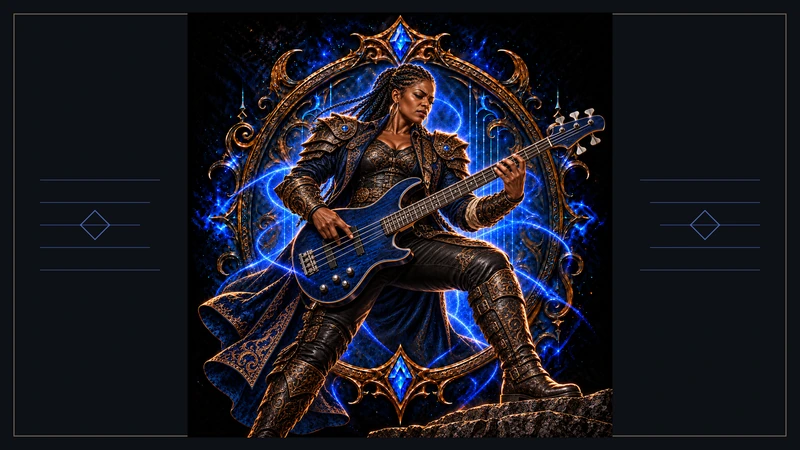 Bass WarriorThe double bass is bowed as often as anything here and still lives there, because it belongs to a bass family and the register it holds down is that site's subject rather than this one's.
 Mandolin WarriorTuned G D A E, identical to the violin, so every scale and every position on this site transfers whole; what changes is the right hand, which is the half we do not cover.
 Guitar WarriorThe instrument most likely to be standing behind you in a session, and the place to find out what its player is doing while you carry the melody.
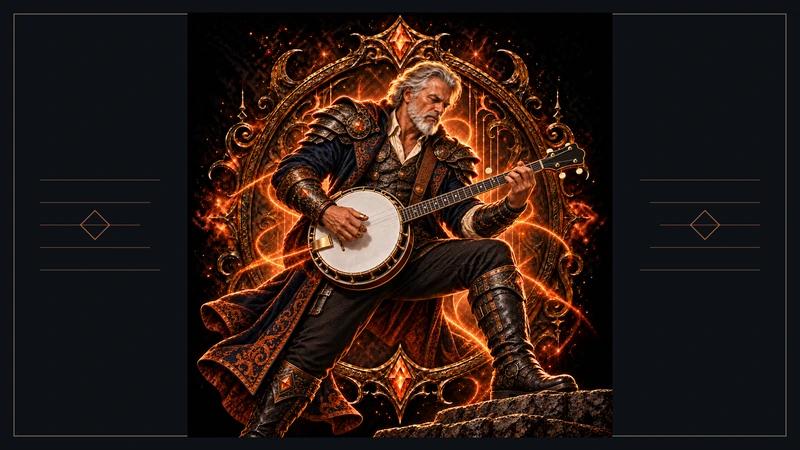 Banjo WarriorThe same old-time and bluegrass tunes arriving as rolls instead of bow strokes, plus a short drone string that keeps sounding whether the tune asked for it or not.
 Ear WarriorIntonation is a decision the hand makes on every single note, so the ear is the only instrument that checks it. That site drills the thirteen distances directly, with a reference tone you can hold as long as you like.
 Bluegrass WarriorThe fiddle as one seat among five: when it takes the break, what it plays quietly behind a singer, and how the rest of the band arranges itself around the tune.
 Music Warrior NetworkBowing and intonation are the subject here; that site is the map of everything the network covers beyond them — one card per sister, what each owns, and whether it is open, so a tune's chords or its theory can be found in the right place.
 Nashville WarriorA fiddler is already hearing the five rather than the letter, because nothing on this instrument spells a chord out for you. That site is where that private habit becomes a page the whole band can read in any key.
 Mariachi WarriorSeveral players sounding one written line, where intonation is a section problem before it is anybody's solo. That site describes the violin seat as ensemble work and doors back here for the bowing itself.
 Jazz WarriorTunes there are harmony first and melody second, the reverse of nearly everything in this repertoire. Learning a standard's bars before its head is a genuinely different way into a tune, and the habit transfers.
 Country WarriorThe only chair in a country band with real sustain, which is why it gets the pads under the verse and the answers at the phrase ends. That site states the job as a standing part in an arrangement rather than as a tune to be played.
 Tres WarriorBoth instruments live or die on where a note sits against the beat rather than on which note it is. The tres makes that placement impossible to miss, because the same short figure comes round again and again for you to judge it against.
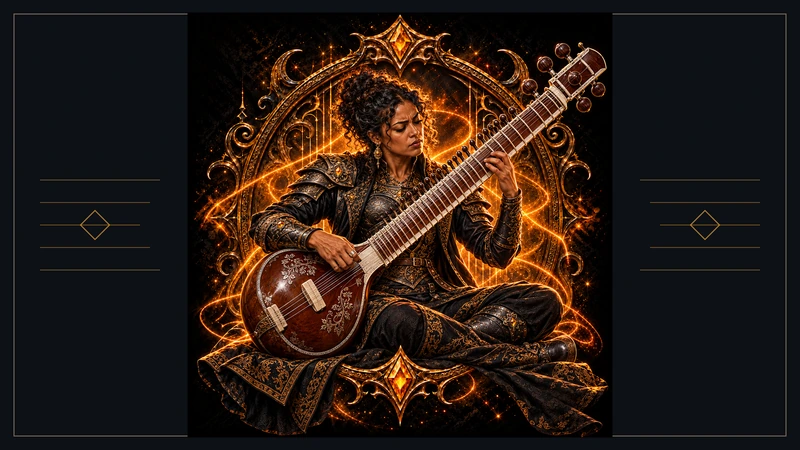 Sitar WarriorA fiddle gets between two notes because it has no frets; a sitar gets there by dragging the string sideways across one — the same continuous line arrived at from opposite directions, and hearing both is the fastest way to understand what either is choosing.
 Oud WarriorThe network's other honestly fretless neck, and the only real comparison for yours: the same problem of finding a pitch with nothing to stop against, answered by a plectrum and a plucked decay instead of a bow that can keep correcting the note after it starts.
 Cuatro WarriorThe fiddle and the Puerto Rican cuatro are both lead voices in their own countryside traditions. Hearing a jibaro melody beside a fiddle tune is the quickest way to notice how much of "folk melody" is regional habit rather than instrument.
 Charango WarriorBowing is your right-hand grammar; theirs is the rasgueo, written as three stroke cells with the rests marked as carefully as the strokes. Two traditions that treat the driving hand as the thing being taught.
 Cavaquinho WarriorBowing is your right-hand problem, and that site is the network's other one. It teaches the stroke itself — down, up, or muted — which is a familiar way of thinking arriving on four steel strings.
 Gear WarriorBowing is technique. Rosin, bows and the shop that set the instrument up are purchases, and purchases are that site's subject.
 Blues WarriorFiddle blues lives on the slide into the third. That site shows where that note stops being a clash: bar by bar through four blues forms, the lowered third rubs over the one chord and becomes a chord tone over the four.
 Flamenco WarriorA bow needs to know which beat to lean on. That site answers it for flamenco: four palos laid out as twelve-count cycles, the accented counts marked, including the seguiriya's 7, which neither a count in twos nor in threes explains.
 Progression WarriorThe backup chords under a fiddle tune are usually handed over as letters. That site turns a typed line of them into a key, a mode and a numeral for each chord, so the tune's harmony reads as a shape.
 Scales WarriorFiddle tunes slip between Dorian, Mixolydian and major. That site shows why they sit so close: all three are modes of one family, each a single altered degree from the next, and it maps the same for 49 modes.
 Music Warrior AIA fiddle tune's chords belong to the backup players, and they now ask an AI assistant for them as often as a book. That site is the endpoint it can call: the chord's stops on the violin, viola or cello and the scale in any key, each cited to the page that owns it.
How the sites divide the work
One family, one home, decided by how an instrument is built and tuned rather than by who happens to play it. Fiddle and violin are the same instrument under two names, so they share these pages and the difference is treated as repertoire and bowing rather than hardware. The double bass goes the other way: bowed, but filed with the basses, because family beats technique when the two disagree.
String Warrior sits outside that rule on purpose. It holds every instrument at once so that comparison across families has somewhere to happen — which is exactly what a site this narrow cannot offer.
The list above is every sister open today. Others are still being built, and each joins it the day it opens rather than earlier, because a door onto a site nobody can read yet is worse than no door.